


Chasing First Light and Last Glow on the Exmoor Coast

Welcome to an immersive guide that leads you across the Exmoor Coast in search of the best sunrise and sunset viewpoints, pairing practical wisdom with creative spark. We spotlight dawn’s hush and dusk’s blaze, from cliff-top panoramas to quiet shingle shores, so you can arrive prepared, compose confidently, and leave with photographs that hum with sea air, heather scent, and the tidal thunder of the Bristol Channel.

Where Horizons Ignite: Prime Viewpoints to Start

Begin with sturdy coastal classics that reward early alarms and patient twilights. Study curves of shingle, stacked headlands, and the channel’s vast mirror as light drifts from silver to rose. These vantage points combine accessible paths, layered depth, and dramatic relief, giving you foreground stories and far-off silhouettes that sing beautifully at first light and last glow, no matter whether clouds brood or a clean sky opens like a polished lens.

Hurlstone Point and Bossington Beach

Arrive before the birds start questioning the night, and feel how the shingle ridge funnels sound and scale into your frame. Sunrise brushes Porlock Vale behind you while the headland receives gentle side light, and sunset warms the distant Welsh coast. Work low angles near wet stones for reflections, and mind the remarkable tides that redraw the shoreline. The old coastguard lookout crowns the promontory, offering layered perspectives that make long lenses and wide glass equally worthwhile.

Valley of Rocks to Lee Abbey

The tors around Valley of Rocks invite heroic compositions, with craggy ridges stepping toward the channel and feral goats sometimes gilded by low sun. Sunset here often sculpts textures and throws dramatic shadows, while sunrise turns edges luminous from the opposite side. Explore safe viewpoints near the path, balancing cliff drama with foreground heather in summer. Consider a mid-telephoto to compress serrated outcrops, then switch wide as color deepens and the sky’s palette begins stacking delicate pastels like brushed watercolor.

Foreland Point and Countisbury Hill

The lighthouse at Foreland Point sits like a white whisper against cliffs that catch crosslight beautifully. From Countisbury Hill, you can track the channel’s gleam as twilight drapes gentle gradients across the horizon. Dawn here favors quiet tones and sweeping curves, while sunsets can kindle burnished copper along the headlands. Bring a sturdy tripod for gusty moments, check the coastal path’s footing, and compose with layered ridges so the eye journeys from a textured foreground to that far, inviting silver line.

Summer’s Long Bearings

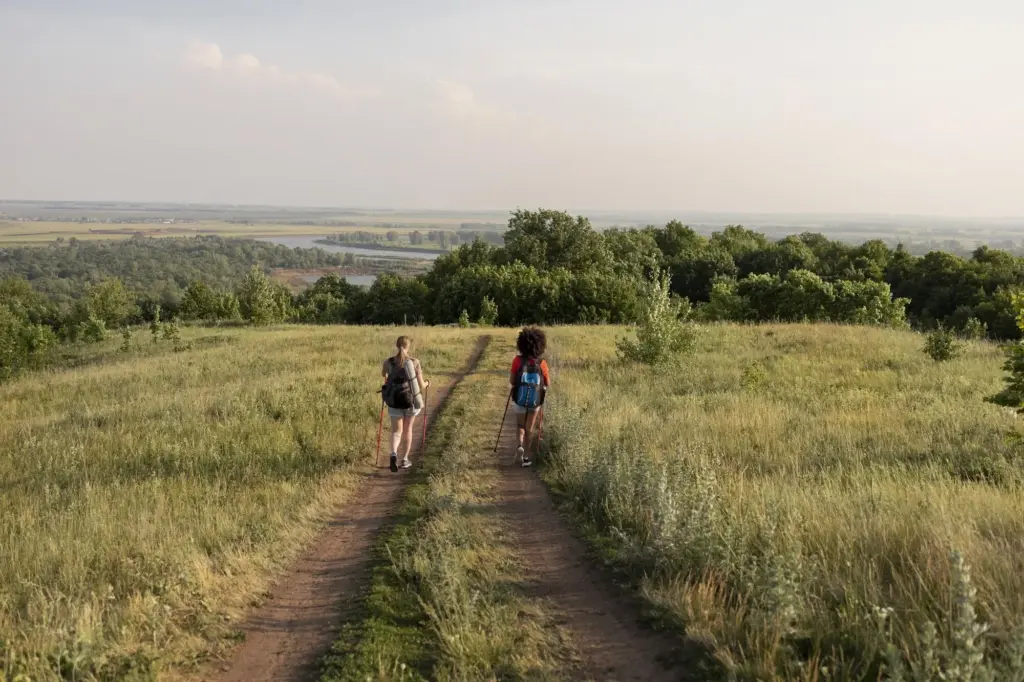
In summer, dawn arrives boldly, demanding careful planning and honest alarms. The sun’s path favors long glancing light, letting you model cliffs and moorland for far longer than in other seasons. Heather begins to come alive later, adding rich color to frames at golden hour. Use that extra time to refine foregrounds, change heights, and test filters. Compositional micro-adjustments shine here, because slowly evolving light exposes subtle textures that transform ordinary stones into compelling anchors.

Moody Winter Drama

Short days mean compact shooting windows, yet winter often brings the most nuanced, cinematic light. Low arcs paint fissures and lichens with delicate contrast, and storms churn brooding skies that backlight spray and distant silhouettes. Dress for biting wind and slick paths, and watch for rain shafts that briefly ignite with molten hues. Blue hour lasts generous minutes, and the channel mirrors muted tones with surprising fidelity. Even on grey days, monochrome interpretations reveal timeless coastal architecture.

Tide, Safety, and Access Wisdom

The Bristol Channel’s tidal range is among the world’s greatest, reshaping foregrounds within an hour and deciding whether polished stones glisten or lie quietly beyond reach. Study charts and local boards, and allow buffers for walking time, especially pre-dawn. Paths can be narrow, winds surprising, and cliff edges unforgiving. A headtorch with a warm beam preserves color perception, while good boots respect slick rock and sodden peat. Plan routes soberly, then let creativity wander safely within your margins.

Navigating the Bristol Channel’s Mighty Tides

High and low water redraw compositions dramatically, exposing patterned shingle and kelp-smooth rock shelves before reclaiming them with mirrored swells. Porlock’s evolving saltmarsh tells a living story of coastal change, rewarding patient, low-tide geometry and reflective puddles at dusk. Note lag times between charts and on-the-ground reality shaped by wind, rain, and surge. Keep a safe exit always behind you, never gambling with returning water, and photograph from stable, dry platforms that will remain dry.

Cliff Edges and Moor Paths After Dark

Blue-hour departures and pre-dawn arrivals mean navigating faint paths after dark. Use a reliable headtorch plus a small hand light for quick checks. Stay behind fences, respect signage, and avoid cliff-top shortcuts entirely. Wind gusts can unfoot a tripod, so hang a bag and widen legs. Mark key junctions on your map app for easy return. Reflective tape on tripod legs and bag straps helps partners keep sightlines, and warm layers guard your judgment as temperatures dive.

Parking, Rights of Way, and Timing Buffers

National Trust car parks at Bossington and Countisbury can be efficient gateways, while Lynton’s options serve Valley of Rocks and nearby paths. Confirm opening times and payment methods before setting alarms. Stick to public rights of way, close gates carefully, and avoid trampling heather or fragile cliff flora. Add twenty spare minutes for unexpected views, livestock on paths, or sudden color explosions. Those minutes become calm breaths that prevent rushing, keeping both images and decisions clean.

Foreground Stories with Shingle, Heather, and Lichen

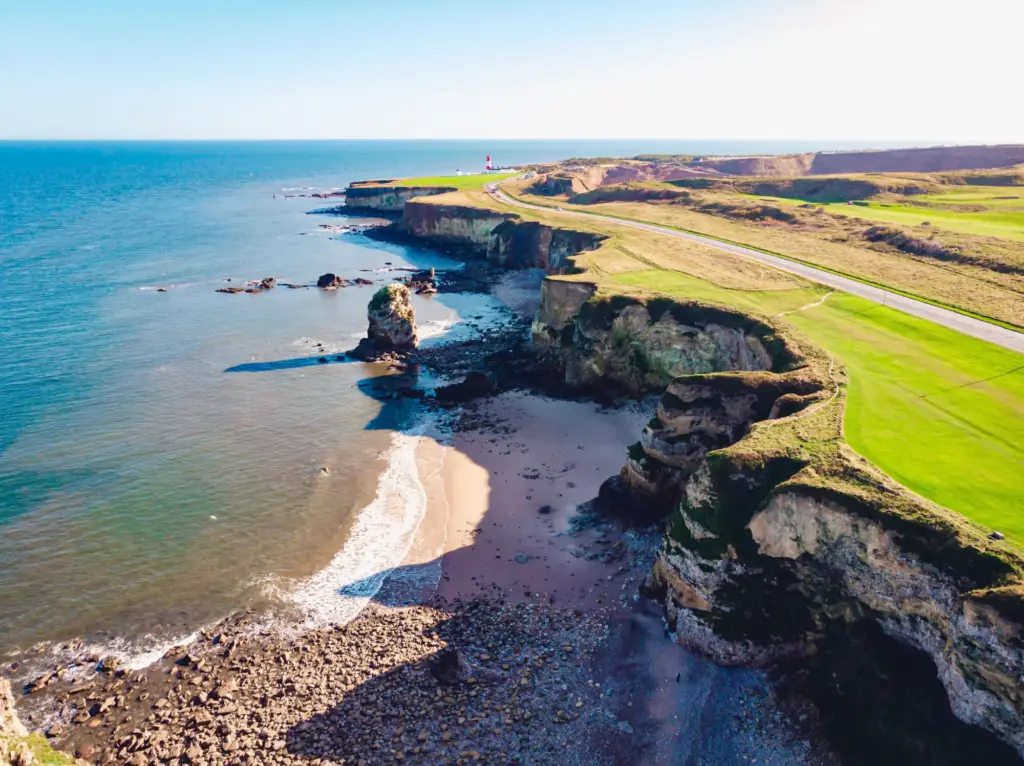
Start low and let rounded shingle lead diagonally toward lit cliffs, or kneel beside heather so tiny bells glow against soft water. Lichen-laced rock adds character when side-lit, tracing time in pale greens and chalky whites. Focus stack carefully if depth pushes beyond your aperture’s comfort. Use gentle dodging to respect natural tones, and allow small, familiar textures to introduce sweeping distances. The photograph becomes an invitation, not a shout, guiding attention in quiet, tactile steps.

Long Exposures, Filters, and Shifting Color

A six-stop neutral density can smooth choppy water into silk that reflects dusk color like liquid glass, while soft graduated filters tame bright skies. Balance these with natural detail by blending frames or using subtle local adjustments later. Watch for color temperature shifts as sun dips; keep whites consistent but protect the scene’s personality. Longer shutters reveal simplified shapes, allowing tors and headlands to stand like carved forms. Use a remote release and steady stance to ensure precision.

Balancing People, Wildlife, and Scale

A lone walker on the South West Coast Path brings scale without stealing the moment, especially when silhouetted against gentle haze. Give Exmoor ponies respectful distance and let them remain part of the landscape’s rhythm, not an accessory. Birds circling cliffs punctuate frames with living commas. Time exposures so footsteps align with clean negative space. Ethical patience yields truer stories, where subjects move through light rather than being pinned by it, and every presence feels naturally placed.

Local Knowledge and Ethical Footsteps

Belonging begins with care. The coast thrives when visitors tread lightly, carry out every scrap, and keep to paths that protect fragile heath and cliff flora. Exmoor ponies deserve calm space, nesting birds quiet respect, and coastal communities steady kindness. Learn stories of Porlock Weir’s harbour or Selworthy’s beacon, and let history guide slower seeing. Support small cafes that fuel pre-dawn starts, and share thanks generously. Good etiquette keeps gates open and mornings welcoming for everyone.

Respecting Ponies, Birds, and Fragile Heathland

Keep lenses long and footprints light. Feeding ponies changes their behavior and harms ecosystems; a thoughtful distance keeps portraits honest and animals safe. During nesting seasons, remain on marked paths, and give cliffs wide margins to avoid disturbing hidden ledges. If another photographer has settled, communicate kindly before stepping into a line of sight. Your best image is the one that leaves no trace except gratitude and a memory carried home like a careful print.

When Paths Meet History: Beacons, Weirs, and Towers

Selworthy Beacon watches over shifting weather and time, while Porlock Weir carries the character of working boats, tides, and timber. Foreland’s lighthouse becomes a guiding punctuation in long coastal sentences. Weave these elements gently as narrative motifs rather than heavy symbols. Let soft morning light polish salt-streaked textures, and evening warmth turn cobbles to amber. When history rides in your frame, photograph with humility, remembering that every structure has weathered stories far older than our brief visits.

Pre-Dawn Preparation Checklist

Pack the night before: charged batteries, empty cards, headtorch, layers, hot drink, map offline, tripod plates, and filters cleaned. Confirm tide and sunrise times, note civil twilight, and pin parking plus path junctions. Visualize two compositions for plan A and a quick pivot for plan B. Stretch briefly to wake balance and reduce tripod fumbles. Arrive early enough to breathe, listen, and feel the first textures of light before the camera interrupts your noticing.

On-Location Flow During Golden Minutes

Open with your anchor shot, then iterate fast but calmly: adjust height, refine foreground, and capture brackets before light shifts. Watch your histogram for creeping highlights along the channel. If clouds bloom, pivot to silhouettes; if haze softens contrast, reach for telephoto layers. Mark each strong setup with a quick voice memo. Pause between frames to truly see, not just look. Those pauses drive better decisions than any frantic shuffle of lenses or presets.

Post-Session Notes and Sharing

Back up immediately to two locations, then cull with empathy for the scene, not only sharpness tests. Preserve natural color while letting contrast whisper depth. Add captions with place names and tide states for future reference. Share a handful of thoughtful images, inviting conversation rather than applause. Ask for local feedback about access nuances you may have missed. Print one favorite; paper teaches patience and subtlety. Each session becomes a classroom where the coastline, kindly, remains the teacher.
Lumakavitunopexivarozunovelto
Privacy Overview

This website uses cookies so that we can provide you with the best user experience possible. Cookie information is stored in your browser and performs functions such as recognising you when you return to our website and helping our team to understand which sections of the website you find most interesting and useful.